Rapid Keys Locksmith Service Team
Local locksmith team
Apr 9, 2026 10 min read
Running a small business on Broadway Avenue or tucked into one of Hillsdale's quiet commercial corridors means you're responsible for more than just your inventory — you're responsible for every door that stands between your livelihood and the outside world. Yet most local storefronts go years without a serious security review, relying on the same locks that were installed when the previous tenant moved out. That's a risk worth addressing before something goes wrong.
This checklist is built specifically for Hillsdale, NJ business owners: the boutique on Piermont Avenue, the dental office near the train station, the salon suite, the contractor's workshop. We'll walk through panic bars, master key systems, mortise lock hardware, rekeying cycles, and the small details that commercial burglars count on you to overlook. Bookmark this page, print it out, and use it the next time you do a walkthrough of your space.
## Why Your Front Door Knob Lock Is Not Enough: Start With a Hardware Audit
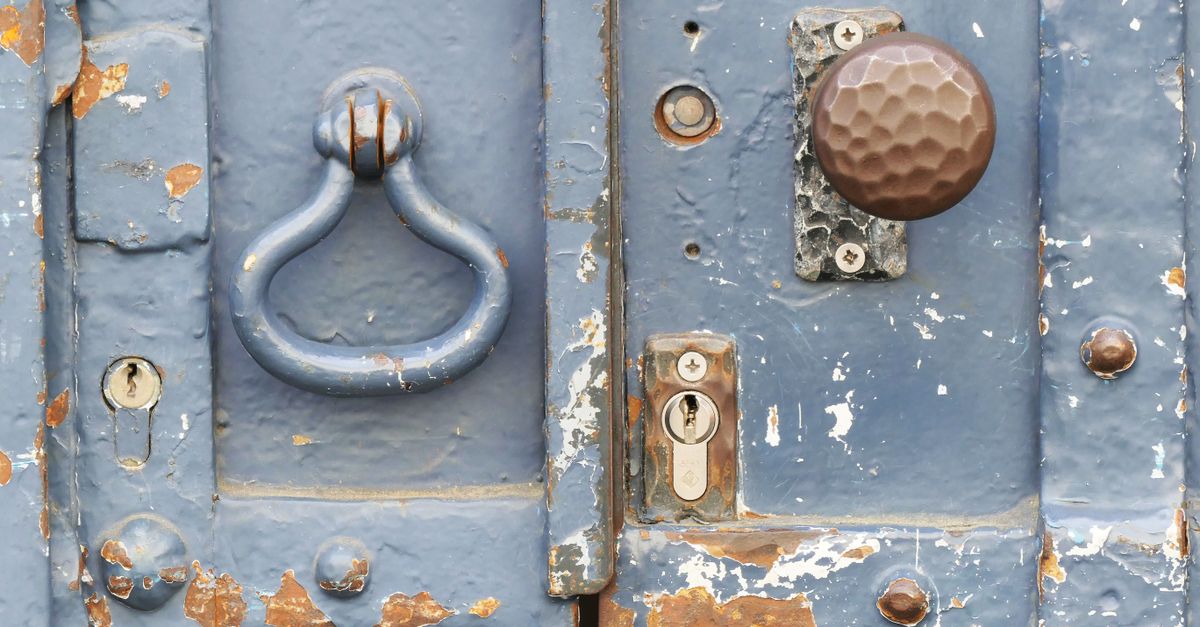
A standard door knob lock — the kind you'd find on a residential interior door — offers almost no meaningful resistance on a commercial storefront. Knob locks are designed for convenience, not security. The locking cylinder sits inside the knob itself, which means a firm kick or a pair of channel-lock pliers can defeat the mechanism in seconds. If your Hillsdale shop still relies on a knob lock as the primary point of entry, the first item on your checklist is replacing it with a commercial-grade deadbolt or, better yet, a mortise lock assembly. A mortise lock is recessed directly into the door's edge rather than surface-mounted, giving it structural reinforcement that surface hardware simply cannot match. At Rapid Keys Locksmith, we install and service mortise lock systems across Hillsdale's commercial district every week — it's one of the highest-impact upgrades a small business can make. If you're unsure what hardware is currently on your doors, call (201) 977-1100 and one of our experienced technicians can come out for an on-site assessment.
During your hardware audit, check every door: front entry, rear delivery entrance, interior stockroom, and any shared-space doors if you're in a multi-tenant building. Look for visible wear on the lock face, loose strike plates with short screws (they should be secured with 3-inch screws into the door frame stud), and any doors where the frame itself has been repaired after a forced-entry attempt. A damaged frame defeats even a high-quality lock. Note the brand and grade of every lock you find — hardware rated ANSI Grade 1 is the commercial standard, and anything below that on a primary entry point should be on your replacement list.
## Mortise Lock Systems: The Commercial Locksmith Standard for Storefronts
If there's one piece of hardware that commercial locksmith professionals recommend most consistently for retail and office environments, it's the mortise lock. Unlike a cylindrical lock that sits in a bored hole, a mortise lock is set into a precisely cut pocket in the door body. The result is a lock whose internals are protected by the door itself. A quality mortise lock integrates a deadbolt, a latch, and often a thumbturn or lever into a single reinforced unit — and the cylinder can be rekeyed or swapped without replacing the entire lockset, which saves time and money when staff turns over. Brands like Schlage and other ANSI Grade 1 commercial manufacturers produce mortise lock cartridges that accept interchangeable cores, making them ideal for master key systems (more on that below).
Hillsdale businesses in older buildings — and there are quite a few along the Route 9W commercial stretch and the downtown blocks near the NJ Transit station — often have mortise lock cutouts already in their doors from original construction. If your door has that rectangular pocket but a cheaper cylindrical lock was retrofitted into it, you may be able to restore a proper mortise lock without a full door replacement. Our technicians evaluate this routinely. When you schedule a commercial security review, we'll confirm an exact up-front price for any hardware we recommend before a single screw turns — the final quote depends on the lock grade, the door material, any parts needed, and whether the call falls outside standard business hours.
## Rekeying Cycles: When and How to Rekey a Lock for Your Business
One of the most practical and underused security habits for small businesses is a regular rekeying schedule. Understanding what it means to rekey a lock is straightforward: a locksmith removes the existing cylinder, replaces the internal pin stacks with new ones of a different configuration, and issues fresh keys that match the new configuration — all without replacing the lock hardware itself. The old keys stop working immediately. So how do you rekey a lock, practically speaking? A trained locksmith uses a plug follower, a pinning tray, and replacement pins sized to the new key cut. It's precise work, and on commercial hardware — especially mortise lock cylinders — it requires the right tools and experience to do cleanly without damaging the cylinder.
For Hillsdale business owners, the right time to rekey a lock includes: any employee departure (especially one that didn't end well), a lease renewal where the previous tenant's key history is unknown, after a break-in attempt even if entry wasn't gained, after a key is lost or stolen, and at least once every two years as a baseline practice. If you want to rekey a lock to match an existing key — so that multiple doors open with one key — that's called key-alike service, and it's something we set up regularly for small business owners who manage several entry points. The alternative, a master key system, gives you even more control and is worth understanding if you manage employees or vendors with different access levels. Our team at Rapid Keys Locksmith handles commercial rekeying across Hillsdale seven days a week. Call (201) 977-1100 any time — we're available 24/7.
## Panic Bars, Master Keys, and Access Control: Building a Layered Security Plan
Panic bars — also called crash bars or exit devices — are legally required on many commercial doors in New Jersey, particularly any door designated as a fire egress. But beyond code compliance, they serve a real security function: they allow rapid exit from inside while remaining locked from the outside, and when paired with a mortise lock or rim-mounted exit device, they create a hardened entry point that's difficult to force from the street. If your rear exit has a panic bar that's loose, misaligned, or missing its outside trim cylinder, that's both a life-safety issue and a security gap. We service and install Von Duprin-compatible and similar commercial-grade exit devices throughout Bergen County.
Master key systems are the other conversation every multi-employee Hillsdale business should have. A properly designed master key hierarchy means your building manager holds a key that operates every door, department leads hold keys that open their section, and individual employees have keys limited to their workspace — all using the same locksets. This isn't something to configure with off-the-shelf hardware from a home center; it requires a commercial locksmith who understands key control, restricted keyways, and how to document the system so it can be maintained as your staff changes. Access control systems — keypads, proximity fobs, and card readers — take this a step further by creating a digital record of who entered which door and when. These systems pair well with mortise lock hardware and can be retrofitted onto existing commercial doors in most cases.
## 25 Commercial Lock & Security Services Hillsdale Businesses Should Know About
Rapid Keys Locksmith serves Hillsdale and the surrounding Bergen County communities as a fully mobile, 24/7 operation — no storefront overhead, which means we come directly to your business. Here are the specific services relevant to local commercial clients: (1) Mortise lock installation and replacement; (2) Mortise lock cylinder rekeying; (3) Commercial deadbolt installation; (4) Panic bar / exit device installation and repair; (5) Master key system design and implementation; (6) Key-alike rekeying across multiple doors; (7) Restricted keyway systems for key control; (8) High-security cylinder upgrades (anti-pick, anti-drill); (9) Commercial door knob lock replacement; (10) Grade 1 lever handle lockset installation; (11) Electronic keypad lock installation; (12) Proximity fob and card reader setup; (13) Access control system integration with existing hardware; (14) Emergency locksmith response for business lockouts; (15) After-hours commercial lockout service; (16) Lock repair for damaged or malfunctioning hardware; (17) Strike plate reinforcement and door frame repair; (18) Safe installation and combination changes; (19) Filing cabinet and desk lock service; (20) Mailbox lock replacement for commercial properties; (21) Sliding door lock and security bar installation; (22) Interior office lock installation; (23) Tenant changeover rekeying for commercial landlords; (24) Key duplication for business key sets; (25) Security consultation and on-site hardware audit. Each service quote is confirmed up front — the factors that shape the final price include the lock type and grade, the number of doors involved, any parts or hardware needed, travel distance, and whether the service is requested during standard hours or as an emergency call.
Note on kiosk key copying: while automated key kiosks found in some retail locations can duplicate basic house keys quickly, they are not a substitute for professional commercial key services. They cannot cut restricted keyway keys, program transponder keys, handle mortise lock cylinders, or design a master key system. For anything beyond a simple residential key copy, a trained locksmith is the appropriate resource — and for your business's security, that distinction matters.
Frequently asked questions
What does it mean to rekey a lock, and is it enough for a business that just changed ownership?+
Rekeying a lock means a locksmith reconfigures the internal pin tumblers inside your existing cylinder so that only a new key will operate it. All previously cut keys — including any held by former owners, employees, cleaning crews, or vendors — immediately stop working. For a business that has changed ownership or tenants, rekeying every cylinder is the absolute minimum security step and should happen before you move inventory in. If the hardware itself is worn, outdated, or below commercial grade, upgrading to a mortise lock or Grade 1 deadbolt at the same time is worth serious consideration.
How much should a locksmith cost, and what determines the price for commercial work in Hillsdale, NJ?+
There's no single flat rate for locksmith services because the final price depends on several real variables: the type and grade of lock involved (a basic knob lock rekeying costs less than a full mortise lock installation), the number of doors or cylinders being serviced, any hardware parts needed, the distance of travel, and whether the call is during standard business hours or an after-hours emergency. At Rapid Keys Locksmith, we confirm an exact up-front price before any work begins — you'll know the full cost before we touch a single lock. There are no surprise charges after the job is done.
What's the difference between how to change a lock and how to rekey a lock — which does my business need?+
Changing a lock means physically removing the entire lockset and installing a new one — new hardware, new keys, new everything. Rekeying a lock means keeping the existing hardware but reconfiguring the cylinder's internal pins so a new key operates it. For businesses, rekeying is usually the right call after employee turnover or a lost key, because it's faster and more economical when the hardware itself is in good condition. Changing the lock entirely makes sense when the hardware is worn, damaged, below commercial grade, or when you're upgrading to a higher-security system like a mortise lock or an access control-integrated lockset. Our technicians will tell you honestly which option fits your situation.
Do I really need an emergency locksmith if I just get locked out of my business after hours?+
Yes — and the reason goes beyond just getting the door open. A commercial lockout after hours often involves hardware that a general handyman or an untrained attempt to force entry will damage, creating a costlier repair and a potential security vulnerability. An experienced emergency locksmith can open the door without damage, verify your ownership of the property, and — while on site — assess whether the lockout exposed a hardware weakness worth addressing before you leave again. Rapid Keys Locksmith responds to after-hours commercial calls throughout Hillsdale and Bergen County. Call (201) 977-1100 any time — we answer 24/7.