Rapid Keys Locksmith Service Team
Local locksmith team
Apr 23, 2026 10 min read
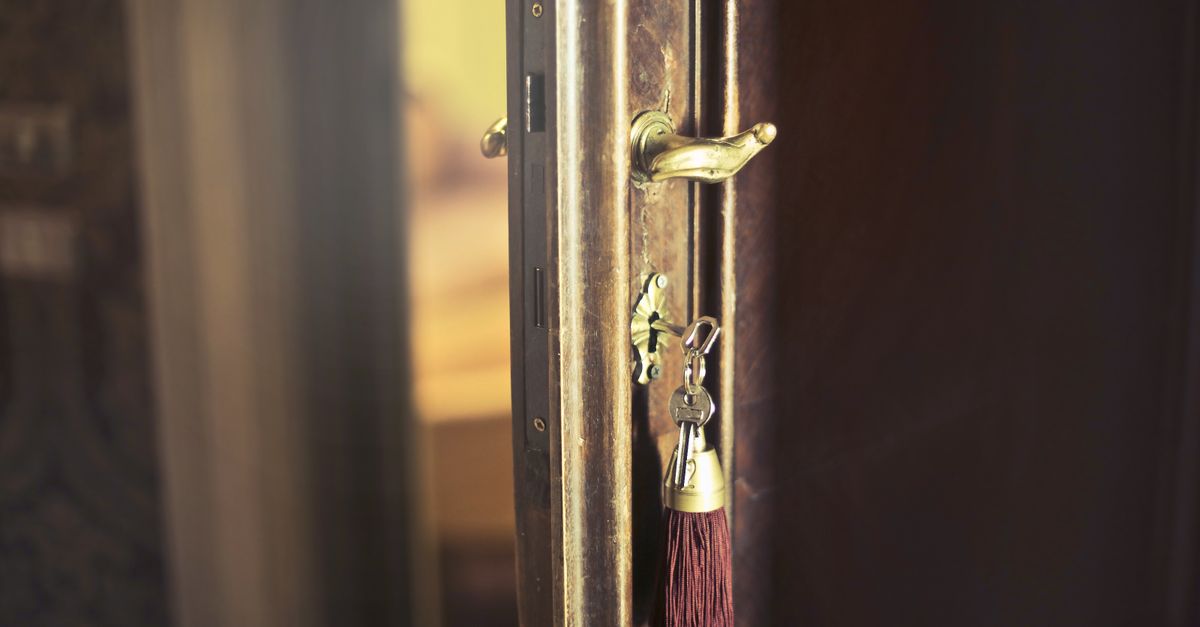
It happens at the worst possible moment — you're rushing out the door on a cold Bergen County morning, key in hand, and your door knob lock simply refuses to turn. Maybe it spins freely, maybe it's frozen stiff, or maybe it just feels wrong in a way that's hard to describe. Before panic sets in, take a breath: most stuck knob locks have a straightforward cause, and several of them you can resolve yourself in under five minutes.
This guide walks you through the most common reasons a door knob with lock and key stops cooperating, the safe checks you should try first, and the clear signs that it's time to bring in a trained locksmith. Rapid Keys Locksmith serves the Hillsdale area — from Hillsdale Avenue to the neighborhoods tucked behind the train station — 24 hours a day, 7 days a week, so help is never far away when a simple fix turns into a genuine lockout.
## Why a Door Knob Lock Stops Turning: The Five Most Common Culprits
Understanding what causes a knob lock to seize up is the fastest path to fixing it. The five reasons we see most often at Rapid Keys are: (1) a worn or bent key that no longer aligns cleanly with the pins inside the cylinder; (2) a misaligned door that puts lateral pressure on the latch bolt, effectively torquing the lock body; (3) a dry or corroded lock cylinder that hasn't been lubricated in years; (4) a broken or fatigued internal spring — common in older interior knob locks, including many door knob with lock for bedroom applications; and (5) a damaged or frozen mortise lock cartridge in older Bergen County homes that still use traditional mortise-style hardware in entry doors.
Each of these has a different feel. A worn key tends to turn partway and then catch; a misaligned door will feel stiff only when the door is fully latched and closed; a dry cylinder resists the initial turn but may loosen briefly if you apply light in-and-out pressure on the key while turning. Knowing the difference saves you time and tells you whether you're dealing with a five-minute fix or a job that needs professional hands.
## Safe Checks to Try Before You Call — Starting With Your Door Knob Lock
Work through these steps in order before reaching for the phone. First, inspect your key under good light. Look for visible bends, worn-down ridges, or a tip that's starting to round off — a key in that condition will struggle to lift the pins correctly inside even a perfectly healthy lock door knob. If you have a spare cut from the original (not a copy of a copy), try it. Second, push firmly on the door itself while you turn the key. Doors in older Hillsdale homes settle over decades, and even a few millimeters of warp or humidity-driven swelling can press the latch bolt hard against the strike plate, binding the whole mechanism. Pushing on the door releases that pressure and often lets the cylinder turn freely.
Third, try a graphite-based lubricant — available at any hardware store — rather than WD-40, which attracts dust over time and can gum up a pin tumbler cylinder. Spray or blow a small amount into the keyway, insert the key, and work it gently in and out several times before attempting to turn. Fourth, check your hinges. Loose hinge screws let a heavy door sag, creating exactly the misalignment problem described above; tightening them takes two minutes with a screwdriver. If none of these steps restore normal function, or if the knob itself spins without retracting the latch at all, the internal mechanism is likely broken — and that's the point to call us.
## Mortise Lock vs. Knob Lock: Knowing Which You Have Changes Everything
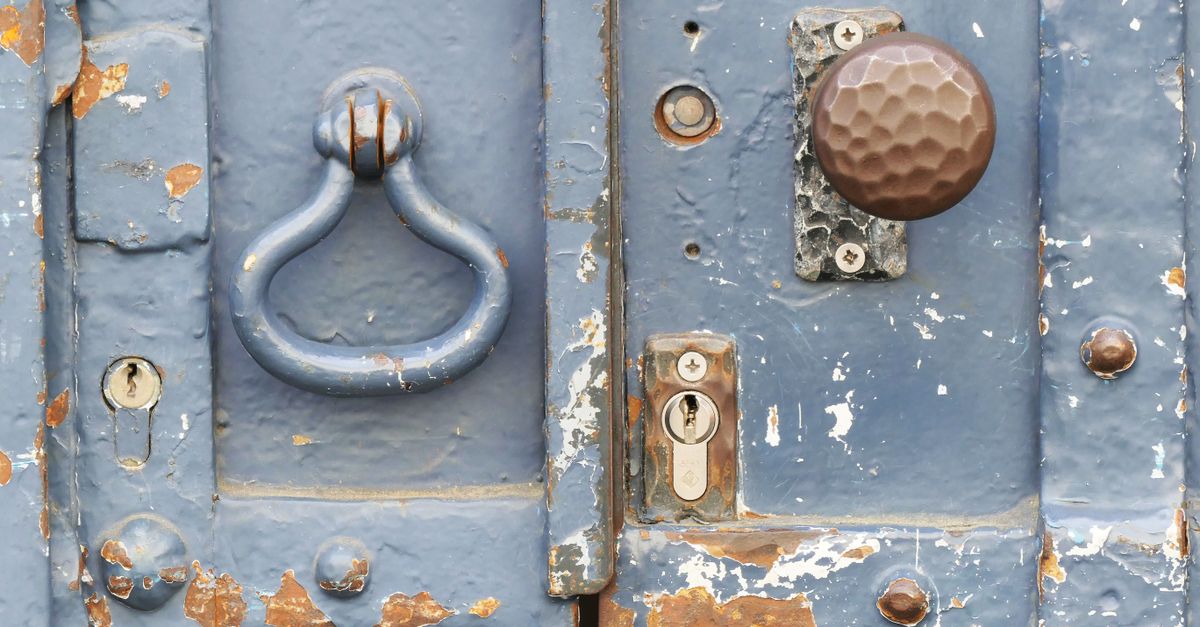
Many entry doors in older Bergen County and Hillsdale-area homes — particularly the craftsman and colonial-style houses along Pascack Road — use a mortise lock rather than a standard cylindrical knob lock. A mortise lock is a rectangular cartridge that slides into a deep pocket cut into the door's edge, and it operates differently from the spring-latch mechanism inside a typical residential door knob with lock. When a mortise lock fails, it can feel identical to a failed knob lock from the outside — the key doesn't turn, or the handle moves without opening the door — but the repair is different and almost always requires a professional.
Our team at Rapid Keys is experienced in mortise lock service: diagnosis, rebuild, cartridge replacement, and full mortise lock installation. We carry parts for common mortise configurations so that in most cases we can complete the repair on a single visit. If your home has original hardware that's decades old, this is worth mentioning when you call — it helps us arrive with the right components. Mortise lock work is also one of the areas where our commercial locksmith capabilities translate directly to residential properties, since commercial-grade mortise locks are built to similar specifications.
## What NOT to Try — and a Word on Lock Picking
When you search "how to pick a door knob lock" or "how to pick a lock door knob," you'll find plenty of tutorials online. We want to be straightforward with you: attempting to pick or bypass your own lock without training almost always makes things worse. Improvised tools can break off inside the keyway, damage the pins, or deform the plug — turning what was a simple re-key or cylinder swap into a full lock replacement. Beyond the hardware damage, there's also the question of security: a cylinder that's been forced is compromised even if it appears to work afterward.
The safe and effective approach when you're locked out is to check for a spare key, try an unlocked secondary entrance (rear door, garage entry, window that you knowingly left accessible), or contact a trusted neighbor who may hold a spare. If those options are exhausted, call a professional. Our team will verify ownership before performing any work — that step protects you as much as it protects us — and we'll have you back inside using the right tools without harming your hardware. For non-emergency situations, this is also a good moment to consider upgrading to a higher-security knob lock or mortise lock, so you're not back in this position six months from now.
## When It's Time to Call Rapid Keys — Our Services, Emergency Response, and What Shapes Your Quote
Rapid Keys Locksmith offers a wide range of residential, commercial, and automotive services to the Hillsdale area. Here is a specific look at what our trained team handles — well beyond a stuck door knob lock: residential lockout service; mortise lock diagnosis, rebuild, and replacement; cylindrical knob and lever lock installation; deadbolt installation and upgrade; high-security lock installation (including Schlage and Kwikset lines); re-key service for single locks and whole-home re-keys; master key system design; door frame and strike plate reinforcement; lock repair (springs, cams, and tailpieces); key duplication for standard house keys; transponder key cutting and programming; automotive lockout service; car key replacement; ignition lock cylinder service; push-to-start fob programming; commercial lockout response; commercial-grade mortise lock installation and service; access control system installation; keypad and electronic lock installation; cabinet and mailbox lock service; storage unit lock service; safe opening; panic bar and exit device installation; gate lock service; and lock hardware consultation for new construction or renovation projects.
When you call us — especially for emergency locksmith situations — the final price depends on several factors: the type and brand of hardware involved, the time of day (overnight and holiday calls reflect the additional resource commitment), travel distance to your location, and whether replacement parts are needed on the spot. We confirm an exact, up-front price before any work begins, so there are no surprises on the bill. For a stuck or broken door knob with lock, a re-key, or a full mortise lock replacement, reach out any time: call (201) 977-1100 — we answer 24/7 and can usually be at your Hillsdale-area door faster than you'd expect.
## Why Rapid Keys — Not a Kiosk, Not a Copy, Not a Guessing Game
You may have seen self-service key kiosks at local retailers that promise to copy any key on the spot. For a straightforward duplicate of a basic house key that's in perfect condition, that can work fine. But a kiosk cannot diagnose why your lock door knob isn't turning, cannot recut a worn key to proper spec from the original factory bitting, cannot program a transponder chip, and definitely cannot service a mortise lock or repair a broken lock cylinder. Kiosk copies are also only as accurate as the key you feed into them — if your existing key is already worn (which may be why your lock is struggling), the copy inherits those same flaws.
Rapid Keys is a 24/7 mobile locksmith operation, meaning we come to you — your driveway, your front step, your office parking lot — with the tools, parts, and experience to handle what a kiosk cannot. Our team is insured and has built a reputation across the Hillsdale area through straightforward work: we diagnose accurately, explain what we find, give you an honest up-front price, and complete the job correctly the first time. That's the practical difference between a trained mobile locksmith and a machine at a checkout lane.
Frequently asked questions
How much should a locksmith cost, and what affects the price in NJ?+
There's no single flat rate that applies to every job — and any locksmith who quotes a price without knowing the details is guessing. In New Jersey, what shapes a locksmith's final quote includes the type of service (a simple lockout versus a mortise lock rebuild versus car key programming), the hardware brand and security level involved, the time of day (evening and weekend calls typically reflect higher operational costs), your distance from the locksmith's base, and whether parts need to be sourced on the spot. At Rapid Keys, we confirm an exact price before beginning any work so you always know what you're agreeing to.
Should I try to pick my door knob lock myself if I'm locked out?+
We strongly advise against it. Improvised picking attempts — using bobby pins, paper clips, or techniques from online videos — frequently break off inside the keyway, bend the internal pins, or damage the plug in ways that are more expensive to repair than the original lockout would have been. The safer path is to check for a spare key, try another entry point you legitimately have access to, or call a professional locksmith who can open the lock without damaging it. Rapid Keys is available around the clock at (201) 977-1100 for exactly these situations.
What is a mortise lock, and how do I know if my door has one?+
A mortise lock is a full lock mechanism — latch, deadbolt, and cylinder — housed in a rectangular steel cartridge that's set into a deep pocket (the 'mortise') cut into the edge of the door. From the outside, you might not notice it, but the giveaway is usually a large, older-style escutcheon plate on both sides of the door covering both the knob and the keyhole, common in pre-1970s homes. Many older colonial and craftsman homes in the Hillsdale area have original or replacement mortise locks. If you're unsure, a quick call to Rapid Keys at (201) 977-1100 and a description of your door hardware is usually enough for our team to identify it.
My door knob spins all the way around without latching — is the lock broken or is it the door?+
A knob that spins freely without retracting the latch bolt almost always points to a broken internal mechanism — typically a failed spindle connection or a snapped spring inside the lock body — rather than a door alignment issue. Misalignment causes stiffness and resistance; a free-spinning knob means the connection between the knob and the latch mechanism has failed entirely. This is not a DIY fix in most cases, because it requires disassembling the lock, identifying the broken component, and replacing it (or the whole lock). Give us a call and we can assess whether a repair or a full lock replacement is the right move for your situation.